KYANZA
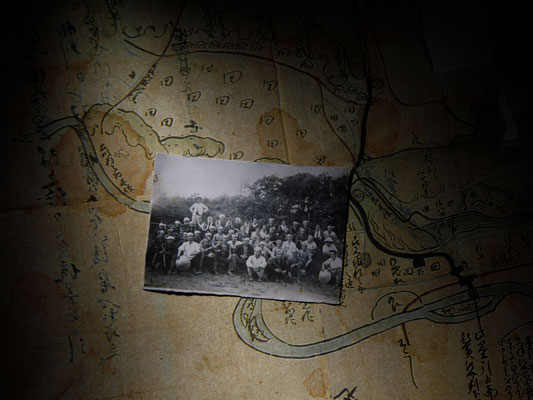
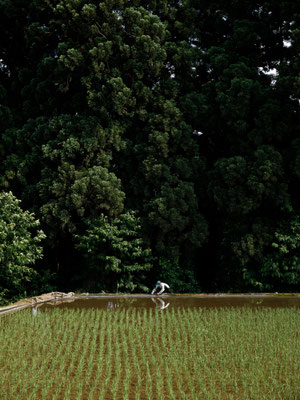


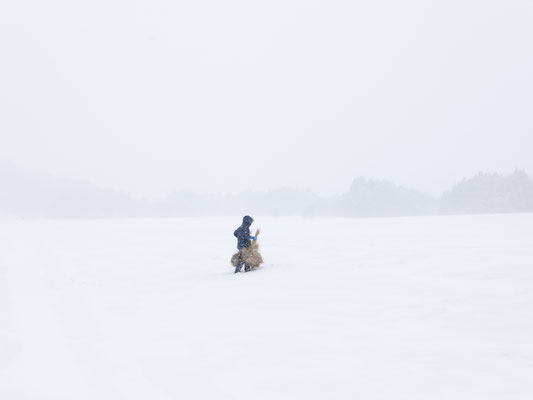
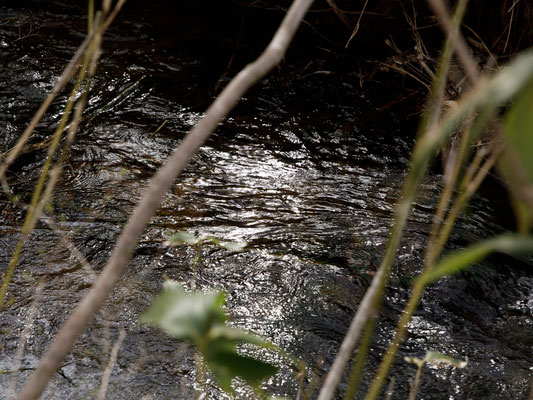
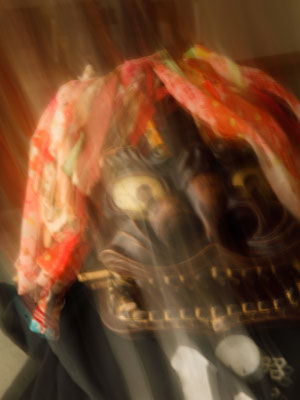
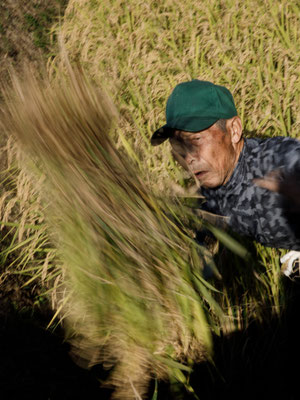

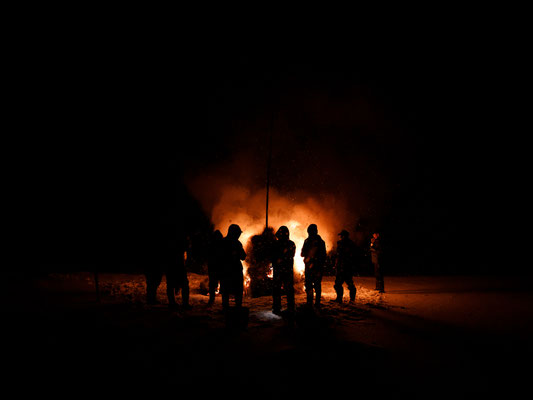
This project is an attempt to trace the intertwined lives of my grandparents—whom I lived with—and the memory of the land where I was born and raised, a mountainous rural community in Japan. Since childhood, I have carried a persistent question: Why was I born in this place? Alongside a longing for the city, I also felt a desire to leave. In newspapers from the 1930s, when my grandparents were born, I found accounts of a devastating crop failure, including reports of people collapsing from starvation and families forced to sell their daughters. Confronting these records—written on the very days of their births—I began to sense that my own existence, connected through my grandparents, could not be separated from the history of this land.
According to historical documents, land cultivation in this area began in 1615, and it took twenty years to construct irrigation channels stretching tens of kilometers from the mountains to the rice fields. While records of famine and poor harvests appear repeatedly, both the fields and family lineages have continued without interruption. In an environment marked by unpredictable weather and heavy snowfall, people have endured, offering countless prayers in the process. Moving back and forth between my own photographs and fragmentary local records, I trace these invisible layers of time.
The title KYANZA comes from the local dialect pronunciation of the place name—an echo of a landscape and a way of speaking that are gradually disappearing. For me, having left this place in search of freedom, the lives built by those before me are not simply part of the past, but a foundation that sustains the present. Between those who leave and those who remain to carry culture forward, I continue to question what it means to have been born here.
本作は、私が生まれ育った山間の集落を舞台に、共に暮らした祖父母の人生と土地の記憶を重ねて辿る試みである。物心ついた頃から「なぜ、この土地に生まれたのか?」という問いを抱いており、都会への憧れとともに、この場所から離れたいという感覚があった。祖父母が生まれた1930年代の新聞には、大凶作による行き倒れや娘の身売りなどが記されていた。個人の誕生と同じ日に記録された社会の状況に触れたとき、私は祖父母から繋がる自身の出生とこの土地の歴史が切り離せないものであると感じた。
この土地は江戸時代初期1615年に開田が始まり、山から田んぼへの数十キロに及ぶ水路を築くまでに20年の歳月が費やされたと古文書に残る。飢饉や凶作の記録も繰り返し現れる一方で、田畑や血脈は途絶えることなく受け継がれてきた。天候が変わりやすく豪雪に覆われるこの環境の中で、人々は多くの祈りも重ねてきたのだと思う。私は自身の写真と地域に残る断片的な記録を往復しながら、目に見えない時間の層を辿っている。
「KYANZA」というタイトルは、この土地の呼び名が方言として残る音であり、場所とともに失われつつある記憶をとどめる試みでもある。自由を求めて土地を離れた私にとって、先人の営みは過去ではなく、現在を支える基盤そのものである。土地を離れる者と、留まり文化を紡ぐ者。そのあいだにある距離を見つめながら、この場所に生まれた意味を問い続けている。